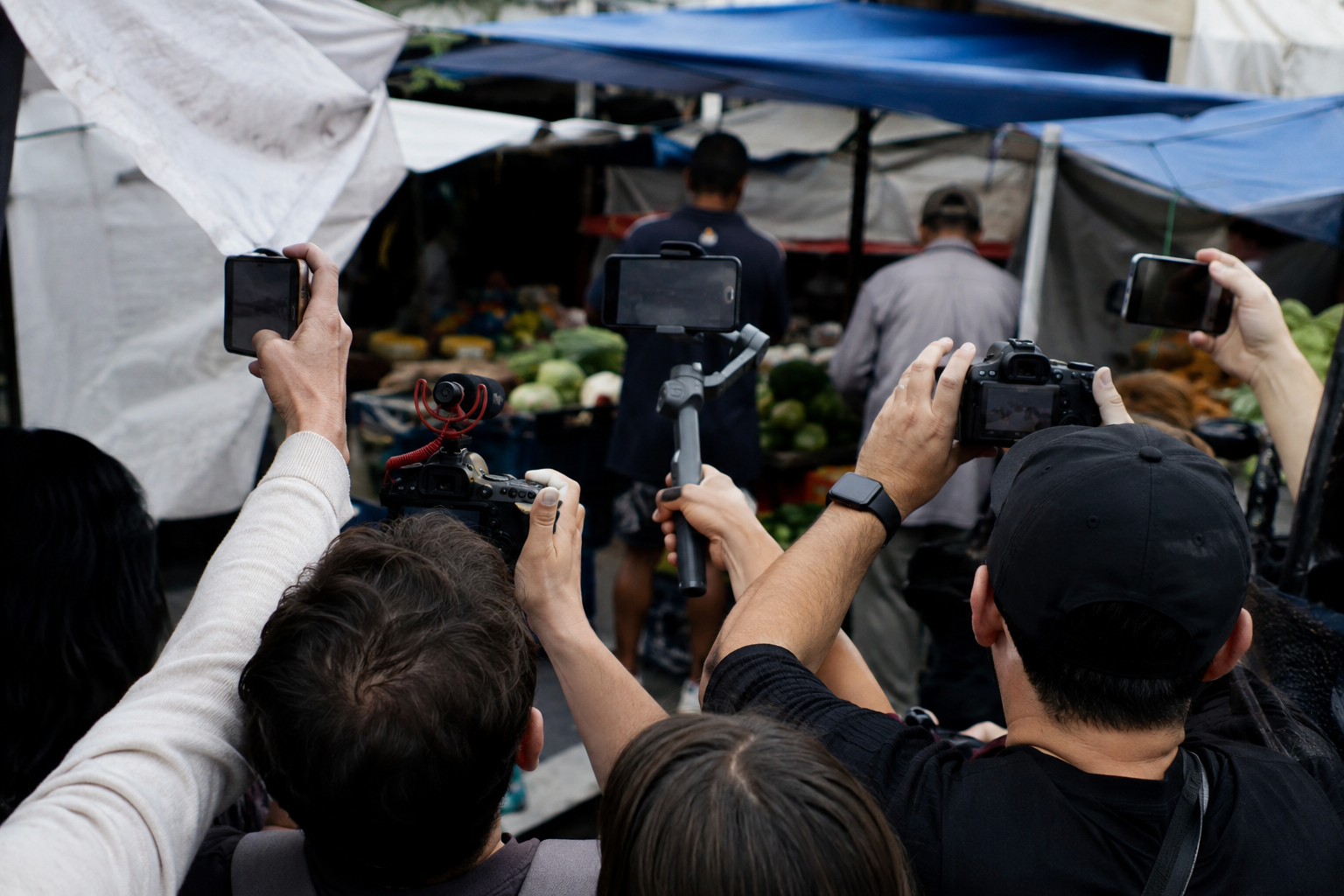
At CEDST Lab, we believe storytelling is not just about content, but also about relationships. That’s why we’re thrilled to share our latest resource: the Checklist for Ethical Community-Engaged Storytelling & Media Production. Now available for download, this one-page guide is designed for storytellers, educators, organizers, and media practitioners who want to ensure that their work is grounded in ethical engagement and community-centered practices.
Whether you’re working on a participatory media project, documenting oral histories, or developing curriculum around community narratives, this checklist will serve as a practical compass from start to finish.
Why This Checklist Matters
Too often, storytelling projects unintentionally extract, distort, or displace the voices they aim to uplift. In response, the CEDST Lab developed this ethical checklist to center community voice, consent, and ownership at every step of the media-making process.
It’s not about perfection. It’s about intention and accountability.
This checklist helps ensure that your project is not only well-executed but also aligned with principles of respect, equity, and co-creation.
What’s Inside the Checklist?
The checklist is organized into three key phases of a media project:
Before Starting
These early steps help shift the narrative from “telling a story about” to supporting a story by and for the community. Key aspects to consider include the following:
Lay the foundation for ethical engagement by:
Completing community background research
Attending introductions and following cultural protocol
Identifying community-defined needs
Inviting community review of the project’s purpose
During Engagement
This phase is about deep listening and co-authoring the storytelling process, not just collecting content. It is therefore important to establish with the community what is off-limits for filming and brief your crew daily on the boundaries. You can also create a pause signal, a simple, non-verbal cue that participants can use to stop or request that you stop recording at any moment. Key aspects to consider include the following: Actively build a respectful collaboration through:
Obtaining Informed Consent from community leaders and participants
Defining co-creation roles clearly
Minimizing intrusion into daily life
Using culturally appropriate methods
Holding iterative feedback sessions
Post-Production
Where possible, do not release the film, video, or digital artifact only in English; also provide a translated version if the community speaks another language. These actions reinforce community collaborations and uphold the principles of non-extractive storytelling. Key aspects to consider include the following:
Community-reviewed final cuts
Adjusted representation based on feedback
Clarified data storage and access rights
Returned copies or files to community
Who Is This For?
This checklist is a go-to resource for:
Educators guiding students through ethical storytelling assignments
Independent media makers collaborating with marginalized communities
Grassroots organizations documenting community knowledge
Students and scholars working on participatory research
No matter your role, this tool helps keep your work in alignment with values—not just deadlines.
Download & Use It Today
The Checklist for Ethical Community-Engaged Storytelling & Media Production is free to download and share. Print it, keep it on your wall, bring it to workshops, or use it as a discussion tool with collaborators.
Download the Checklist Here
Let’s commit to stories that are not just told ethically, but created ethically with communities, not about them.